New Years: Filipino Edition -- Fireworks & Karaoke
culture09-01-2026

Introduction
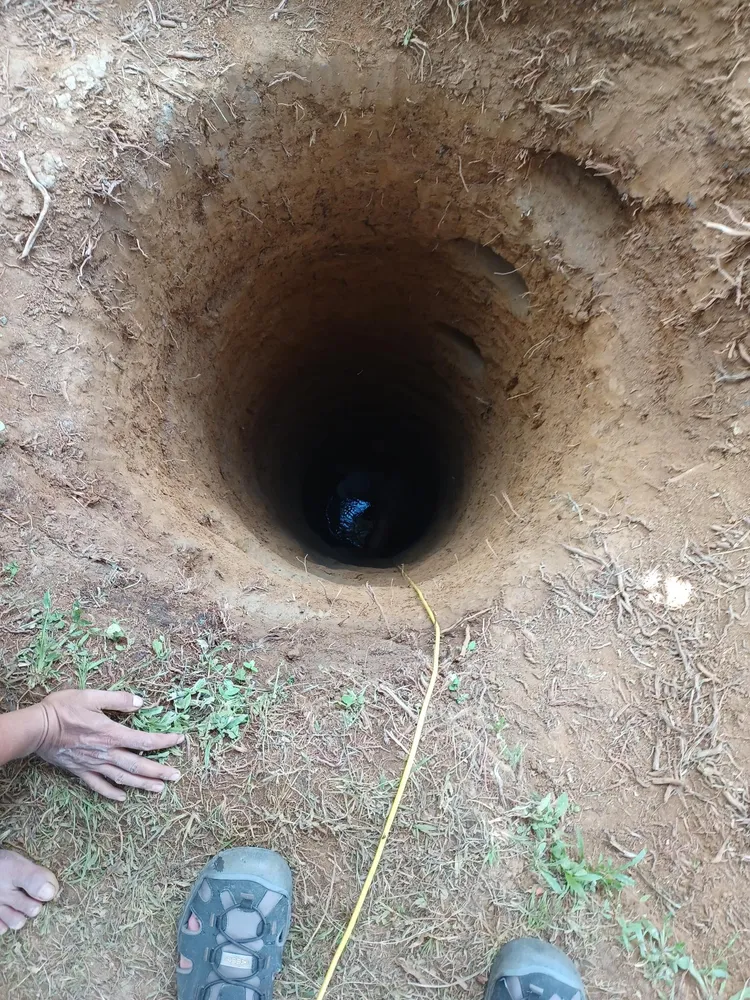
When I was young, in the midwest, I had an Uncle Jimmy. One of Uncle Jimmy’s hobbies was designing and building his own fireworks. Before I was born, he would regularly set of homemade fireworks of his own design that were pretty spectacular from what I understand. Then, one Fourth of July, something went wrong and the firework, which was over a foot in diameter and several feet tall, exploded on the ground. The resulting hole was rather large. I remember my aunts and uncles pointing at a general area where there was a small depression in the ground on my grandparent’s farm when I was young pointing out that’s where Jimmy’s fireworks exploded. So, fireworks can be dangerous.
I spent New Years at the house in the Rural Philippines. This was actually the first year I stayed in PH during the holidays rather than going back to the US–much to my mother’s chagrin. New Years in the Philippines means lots of food, karaoke until dawn, and lots of fireworks all day–and, all night. We actually slept from earlier evening to just before midnight. Then, it was time for dinner. Shortly after that, karaoke started. The girlfriend convinced me to buy a karaoke machine last month. So, we have that no instead of renting one for important occasions. Now, the fireworks, the pace picked up in the days leading up to new years an was near constant all day on December 31st–and, that went until dawn too. On the morning of January 1st, after the sun came up, it was eerily quiet.
The use of fireworks around New Year’s Day in the rural Philippines has been described by some as excessive. Safety isn’t necessarily the primary concern.
We’ve already covered the karaoke tradition in the Philippines. New Years is no exception.
Let’s explore the use of fireworks in the Philippines, especially in the rural areas, fueled by enthusiasm, alcohol, and the festive mood.
🔥 Deeply rooted tradition
In many parts of the Philippines — including rural areas and small towns — setting off firecrackers and fireworks at New Year’s Eve and into New Year’s Day is viewed as a cultural way to ward off evil spirits and welcome good luck. People often light fireworks on their own streets or in front of their homes, not just in organized displays. This tradition continues even though national and local rules technically restrict unsupervised use.
📈 High incidence of injuries
Despite public awareness campaigns, firework-related injuries rise sharply during this period. Health agencies frequently report dozens to hundreds of people treated for burns, eye damage, and other trauma linked to fireworks–often including children and adolescents. Illegal and homemade devices (e.g., boga, kwitis–bottle rockets, five-star “big” firecrackers) are major contributors to these injuries.
In some provincial reports, regional health officials document well over 50–200 injuries just around New Year’s, with most victims being males under 19.
🏥 Community and healthcare strain
Rural clinics and hospitals often go on heightened alert ahead of New Year’s because they expect a surge in firework-related cases. Emergency services brace for burn wounds, fractures, and serious trauma on midnight and New Year’s Day. GMA Network
🌫️ Health and environmental impact
Firework explosions release smoke and chemical pollutants that degrade air quality. While most research focuses on urban centers, similar effects occur in less populated areas. Fine particulate matter (PM₂.₅/PM₁₀) spikes during celebrations, posing respiratory risk especially for children, the elderly, and people with preexisting health problems.
🐾 Animals and noise disruption
Local animal welfare groups warn that loud fireworks cause panic and stress in pets and strays. It probably isn’t helping the indiginous wildlife population either. Sudden explosions can lead to escape, injury, or even death among animals.
📣 Official warnings and alternative campaigns
National and local health agencies (DOH, WHO Philippines) try to discourage individual firework use, urging safer alternatives like party horns or community events. They also cite existing laws that limit unsupervised fireworks to licensed displays.
⚖️ Enforcement vs. tradition
Local governments and police sometimes confiscate illegal firecrackers and make arrests before New Year’s, but enforcement varies widely — especially in rural barangays where traditions are strong and monitoring resources are limited.
Enforcement
Here’s an example of how legal enforcement and penalties around fireworks/firecrackers work in one rural province (Eastern Visayas region) — based on national law and how local authorities implement it, especially around New Year’s celebrations:
1. National Law Governing Firecrackers
Republic Act No. 7183
This is the primary national law regulating firecrackers and pyrotechnic devices in the Philippines:
It prohibits the manufacture, sale, distribution, or use of firecrackers and pyrotechnic devices that do not meet legal safety standards.
Penalties for violating RA 7183 generally include:
- Fine: ₱20,000 to ₱30,000
- Imprisonment: 6 months to 1 year
- Or both, at the discretion of the court
Additional sanctions: cancellation of business or seller permits and confiscation of stocks when applicable.
The Philippine National Police (PNP) is tasked with administering and enforcing this Act.
Executive Order No. 28
A more recent presidential directive (EO 28) limits the use of firecrackers and pyrotechnics mainly to community fireworks displays organized by local government units, in designated areas and under supervised conditions.
Although EO 28 doesn’t itself create new penalties, it reinforces the legal framework and empowers law enforcement/LGUs to crack down on unregulated use.
2. Local Enforcement
In Eastern Visayas, where police and local authorities have been active in enforcing firecracker laws, especially around New Year’s:
- The Philippine National Police (PNP) and local government units (LGUs) team up with the Bureau of Fire Protection (BFP) to carry out inspections, checkpoints, and confiscations of prohibited firecrackers ahead of major holidays.
During recent New Year celebrations across Eastern Visayas, authorities reported zero firecracker-related deaths, but they did make arrests related to illegal fireworks and indiscriminate firing.
Even though specific local ordinances for Eastern Visayas aren’t widely published online, regional enforcement generally mirrors national standards with coordination among PNP, BFP, and LGUs.
⚖️ 3. Typical Penalties and Enforcement Actions
These are the kinds of legal consequences residents and vendors in eastern Visayas can expect under Philippine law and enforcement practice:
Fines and Imprisonment
Violators of RA 7183 (illegal manufacture/sale/use of banned devices):
- ₱20,000–₱30,000 fine
- 6 months to 1 year imprisonment
- Or both fine and imprisonment
Confiscation of firecrackers and cancellation of permits for sellers/operators.
Confiscation & Arrests
Police routinely conduct patrols, checkpoints, and raids to seize illegal firecrackers — which have included hundreds of thousands of prohibited devices in other regions — and make arrests for possession or sale of contraband pyrotechnics. Philippine News Agency
Local Ordinances
Many LGUs adopt municipal or city ordinances that supplement national law — for example:
- restricting sales to designated zones
- requiring permits
- prohibiting sales to minors
- imposing additional local fines.
📣 4. Practical Enforcement Around New Year’s
In practice, enforcement in eastern visayas around New Year’s often includes:
- Public advisories reminding residents that only certified legal fireworks may be sold/used.
- Patrols and checkpoints checking for illegal or oversized firecrackers.
- Confiscation of illegal firecrackers — particularly during peak holiday periods.
- Arrests and citations for individuals using or selling prohibited devices without permits.
- Collaboration between police, fire authorities, and LGUs to prevent injuries and fires.
🧾 Summary
The widespread use of fireworks in rural Philippines around New Year’s is a complex mix of culture, tradition, and celebration, but it brings significant safety, health, and environmental issues. Even though authorities call for restrictions and safer alternatives, many communities continue the practice, contributing to injuries, pollution, and noise disturbances that extend into New Year’s Day and beyond.
In eastern Visayas, firecracker and fireworks enforcement is shaped primarily by Republic Act 7183 and reinforced through national directives and local policy coordination. Violations — whether manufacture, sale, distribution, or use of illegal pyrotechnics — carry significant penalties (fines, imprisonment, confiscation) enforced by the PNP, BFP, and LGUs. Regional enforcement practices, especially during New Year celebrations, emphasize seizures, patrols, and public safety campaigns.
Thinking of Moving to the Philippines? Get Reliable Guidance
Online communities are helpful for general questions. For anything important, you still need accurate, professional, and updated information. E636 Expat Services helps foreigners with:
- Residency and long term visas
- Bank account opening
- Health insurance guidance
- Real estate assistance
- Business setup
- Retirement planning
- A smooth and secure transition into life in the Philippines
If you want to move with confidence instead of relying on random comments online, we can guide you every step of the way.
Book a consultation with E636 and start your journey the right way.
Photo by Roven Images on Unsplash